Duraguard Protective Coating Solutions

Commercial & Industrial Concrete Floor Systems & polishing
Chemical Storage Area Coatings & Containment| Duraguard
Secondary Containment & Chemical Storage Area Coatings — Wisconsin & Illinois
Novolac Epoxy, Urethane & Polymer Concrete Systems for Chemical Containment, Berms & Storage Areas
Chemical spills are not a matter of if — they are a matter of when. Secondary containment systems exist for one reason: when the primary container fails, the secondary containment system must capture and hold the spill until it can be safely managed. A secondary containment coating that fails under chemical exposure is not just a maintenance problem — it is an environmental violation, an OSHA compliance failure, an EPA enforcement action, and a potentially catastrophic liability. Duraguard Protective Coating Solutions installs high-performance secondary containment coating systems — novolac epoxy, chemical-resistant urethane, and polymer concrete — for containment floors, vertical walls, berms, and curbing in chemical plants, manufacturing facilities, fuel storage areas, and industrial facilities throughout Wisconsin and Illinois. Our Storage Area Coating solutions provide long-term protection for chemical storage environments exposed to aggressive materials and daily industrial use. Every Duraguard secondary containment system is specified to resist the specific chemicals present, meet EPA SPCC and OSHA regulatory requirements, and perform as designed when a spill occurs. Each Storage Area Coating is engineered to deliver exceptional chemical resistance, durability, and regulatory compliance for industrial facilities.
What Is Secondary Containment?
Secondary containment is a physical barrier system designed to capture and hold the contents of a failed primary container — a storage tank, drum, tote, pipe, or process vessel — preventing the release of hazardous chemicals to the environment, adjacent facility areas, or storm drainage systems.
EPA Spill Prevention, Control and Countermeasure (SPCC) regulations require secondary containment for facilities storing oil and petroleum products above threshold quantities. OSHA standards require secondary containment for hazardous chemical storage areas. Local fire codes and environmental regulations impose additional containment requirements for specific chemical categories and storage volumes.
The containment system — the floor, walls, berms, and curbing that define the contained area — must be chemically compatible with the substances being stored, impermeable to those substances under spill conditions, and capable of holding the required containment volume for the time required for spill response. A containment coating that is degraded by the chemical it is designed to contain provides no protection when it is needed most.
The Challenges of Secondary Containment Coating Systems
Secondary containment environments impose the most demanding chemical resistance requirements of any industrial coating application:
Extreme Chemical Exposure
Secondary containment coatings must resist the specific chemicals stored within the containment area — potentially including concentrated mineral acids, strong caustics, aggressive solvents, petroleum products, fuels, and complex industrial chemical mixtures. The coating system must maintain its impermeability and adhesion under full immersion or prolonged contact with these chemicals — not just incidental splash exposure.
Variable and Unknown Exposure
In facilities storing multiple chemicals, secondary containment systems may be exposed to any combination of the stored chemicals in a spill event. The coating system must be specified for the most aggressive chemical present — not optimized for the most common exposure.
Vertical Surfaces and Complex Geometry
Secondary containment systems are not just floors. Containment berms, curbing, sump walls, tank bases, and containment wall surfaces require coating systems that adhere and perform on vertical and overhead surfaces under the same chemical exposure conditions as the floor. Coating systems that perform on horizontal surfaces do not necessarily perform on vertical applications.
Regulatory Compliance Documentation
EPA SPCC plans, OSHA compliance documentation, and local environmental permits require documentation that the containment coating system is chemically compatible with the stored substances and meets the regulatory impermeability standards for the facility. Duraguard provides system documentation appropriate for regulatory compliance purposes.
Long Term Impermeability
A secondary containment coating that performs for two years and then fails provides no protection during the spill that occurs in year three. Containment coating systems must be specified for long-term performance — not just initial chemical resistance — with the film thickness, coating chemistry, and surface preparation required for durable impermeability over the design life of the containment system.
Duraguard Secondary Containment Coating Systems
Novolac Epoxy — Durapoxy Acid Guard
For secondary containment areas storing concentrated acids, aggressive solvents, and chemicals that require maximum chemical resistance, Durapoxy Acid Guard novolac epoxy is the primary specification. Novolac epoxy chemistry creates a denser molecular cross-link structure than standard epoxy — providing superior resistance to the concentrated acids, solvents, and aggressive industrial chemicals that penetrate and degrade standard epoxy containment coatings.
Applied at custom thickness matched to the chemical exposure profile and regulatory requirements of the containment area, Durapoxy Acid Guard creates a dense, impermeable chemical barrier on floors, vertical walls, and berm surfaces. Novolac epoxy is the correct chemistry for the most chemically aggressive secondary containment applications — chemical processing, acid storage, solvent containment, and any area where standard epoxy chemistry is insufficient for the chemicals present.
Chemical Resistant Urethane Systems
For secondary containment areas requiring enhanced flexibility, impact resistance, or performance in environments with thermal cycling, chemical-resistant urethane coating systems provide containment performance with physical properties beyond standard epoxy. Urethane containment systems accommodate minor substrate movement and thermal expansion without the cracking that rigid epoxy systems can develop in containment areas subject to temperature variation.
Duraclad 903 urethane concrete is specified for containment areas combining chemical exposure with thermal shock — such as containment areas around heated process vessels, steam-cleaned equipment bases, and facilities with significant temperature cycling in the containment zone.
Polymer Concrete Systems
For the most demanding secondary containment applications — sumps, trenches, containment pits, and areas requiring maximum chemical resistance at significant thickness — polymer concrete systems provide a monolithic, impermeable barrier at 3/16 inch to custom thickness. Polymer concrete combines the chemical resistance of urethane or epoxy resin with the structural mass of concrete aggregate — creating a containment surface that resists the mechanical impacts of drum handling, equipment movement, and forklift traffic while maintaining chemical impermeability under sustained spill conditions.
Vertical Walls, Berms and Curbing
Secondary containment is a three-dimensional system — the floor alone is insufficient. Duraguard installs chemical-resistant coating systems on the complete containment geometry:
Containment Berms and Curbing
Concrete berms and curbing that define the containment boundary are coated with the same chemical-resistant system as the containment floor — creating a continuous, impermeable barrier from the containment floor up and over the berm to the exterior face. Uncoated or improperly coated berms are the most common failure point in secondary containment systems — a chemically resistant floor with an uncoated berm provides no containment.
Vertical Containment Walls
Containment area walls — block, poured concrete, or steel — are coated with vertical-grade chemical-resistant systems applied at the specified film thickness. Vertical surface application requires coating systems and application techniques specifically appropriate for vertical and overhead work — not simply the floor system applied to a vertical surface.
Tank Bases and Equipment Pads
The concrete bases of storage tanks, process vessels, and chemical storage equipment within containment areas are coated as part of the complete containment system — ensuring that the area beneath and around the primary container is as chemically protected as the surrounding containment floor.
Sumps and Trenches
Chemical collection sumps, drain trenches, and containment low points are coated with the heaviest film build of the containment system — as the ultimate collection point for spilled chemicals, sumps receive the most severe chemical exposure and require the most robust coating protection.
Regulatory Compliance
EPA SPCC Regulations
EPA Spill Prevention, Control and Countermeasure regulations require secondary containment for oil storage facilities above threshold quantities. Duraguard’s containment coating systems are specified and documented to meet SPCC impermeability requirements for petroleum and oil product containment.
OSHA Hazardous Chemical Storage
OSHA standards for hazardous chemical storage require containment systems compatible with the stored chemicals. Duraguard specifies containment systems based on the chemical compatibility requirements of the specific substances stored in each containment area.
Local Environmental and Fire Code Requirements
Local environmental agencies and fire codes impose specific containment requirements for chemical storage areas. Duraguard coordinates with facility environmental and safety teams to ensure containment coating specifications meet all applicable local regulatory requirements.
Where Duraguard Installs Secondary Containment Systems
Chemical Processing Facilities
Chemical manufacturing and processing plants storing acids, caustics, solvents, and process chemicals require the highest level of containment coating performance. Duraguard installs novolac epoxy and polymer concrete systems for chemical plant secondary containment applications.
Fuel and Petroleum Storage
Above-ground storage tank farms, fuel dispensing areas, and petroleum product storage facilities require EPA SPCC compliant secondary containment coating systems. Duraguard installs fuel and petroleum-resistant containment systems for fuel storage and dispensing facilities.
Manufacturing Facilities
Industrial manufacturing facilities storing process chemicals, lubricants, cleaning solvents, and other hazardous materials in quantities requiring secondary containment benefit from Duraguard’s complete containment coating systems — floors, berms, walls, and sumps.
Laboratory and Research Facilities
Chemical storage rooms, solvent storage areas, and hazardous material storage within laboratory and research facilities require containment coating systems compatible with the broad spectrum of chemicals present in research environments.
Municipal and Utility Facilities
Municipal water treatment facilities, wastewater treatment plants, and utility facilities storing treatment chemicals — chlorine, caustic soda, acids — require secondary containment systems resistant to the specific treatment chemicals used in each facility.
Related Systems and Products
Secondary containment installations from Duraguard incorporate:
- Durapoxy Acid Guard — Novolac epoxy for maximum chemical resistance
- Duraclad 903 — Polymer urethane concrete for thermal and chemical environments
- Durapoxy TC — 100% solids epoxy for moderate chemical containment
- Durapoxy Flexguard — Flexible epoxy for containment areas with movement
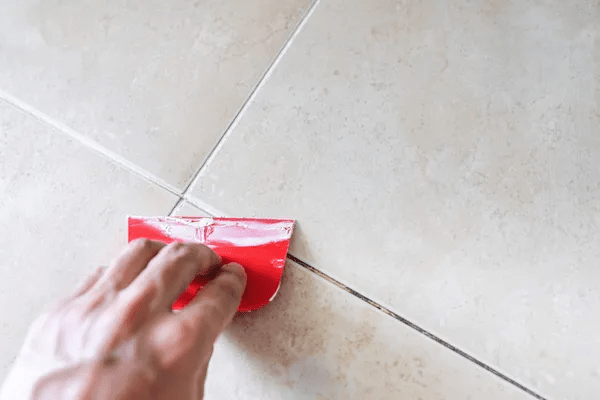
- Dura-Joint — Rapid set polyurea joint filler — 30-minute cure
The Duraguard Installation Process
Secondary containment coating installation begins with chemical compatibility verification — confirming that the specified coating system is chemically resistant to the substances stored in the containment area under full immersion conditions. Duraguard reviews the chemical exposure profile of each containment area before specifying the coating system.
Surface preparation — concrete grinding, blast cleaning, or mechanical preparation appropriate for the substrate — creates the surface profile required for coating adhesion. All cracks, joints, and surface defects are repaired before coating application. Berm and wall surfaces are prepared and coated in sequence with the floor system to ensure continuous coverage across all containment surfaces.
Film thickness is verified during and after application to confirm that specified thickness requirements are met across all containment surfaces — including vertical walls, berm faces, and sump interiors where film build is most critical.
Service Area
Duraguard installs secondary containment and chemical storage area coating systems throughout southeastern Wisconsin and northern Illinois including Racine, Kenosha, Milwaukee, Waukesha, Waukegan, Gurnee, Libertyville, and surrounding areas.
Get a Free Containment Assessment
If your facility requires secondary containment coating — or if your existing containment system is degraded and needs evaluation — contact Duraguard today for a free on-site assessment. We will evaluate your containment geometry, review your chemical exposure profile and regulatory requirements, and provide a detailed written proposal at no charge.
Call us at (833) 387-2482 or use our contact form to request your free evaluation.
Duraguard Protective Coating Solutions is proud to align with leading industry organizations that set the standard for flooring excellence and business integrity. We follow the guidelines and technical standards established by the International Concrete Repair Institute (ICRI), ensuring every project meets rigorous industry benchmarks. As an accredited member of the Better Business Bureau (BBB), we are committed to transparency, trust, and customer satisfaction. Duraguard is also recognized through Wisconsin Manufacturers & Commerce (WMC), reflecting our dedication to Wisconsin’s manufacturing and business community. Our expertise also includes high-performance Storage Area Coating solutions designed to protect industrial facilities from chemical exposure, spills, and heavy traffic.