Duraguard Protective Coating Solutions

Commercial & Industrial Concrete Floor Systems & polishing
Food Processing Flooring — Wisconsin & Illinois
Hygienic, Chemical-Resistant Floor and Wall Systems for Food and Beverage Processing Facilities
Food processing floors operate in some of the most demanding conditions of any industrial environment. Thermal shock from hot water and steam washdowns, continuous chemical exposure from organic acids, caustic cleaning agents and sanitizers, heavy equipment traffic, and strict regulatory requirements for sanitation and hygiene combine to create a flooring challenge that standard epoxy systems cannot meet. Duraguard Protective Coating Solutions installs seamless, hygienic floor and wall coating systems specifically engineered for food and beverage processing environments — urethane concrete, polyaspartic, and novolac epoxy systems that handle the thermal, chemical, and mechanical demands of food processing while meeting USDA, FDA, and HACCP compliance requirements. Serving meat processing, dairy, brewery, bakery, frozen food, food assembly, and general food processing facilities throughout Wisconsin and Illinois since 1993, Duraguard is the flooring contractor food processing facilities trust when compliance and performance are both non-negotiable.
The Challenges of Food Processing Floors
Food processing environments impose a unique and unforgiving combination of stresses on floor and wall surfaces:
Thermal Shock
Hot water washdowns, steam cleaning, and CIP (clean-in-place) systems expose floors to rapid temperature cycling — from scalding wash water to freezing cold storage temperatures — multiple times daily. Standard epoxy coatings crack and delaminate under this repeated thermal shock within months. Urethane concrete and polyaspartic systems are engineered to handle this cycling without failure.
Chemical Exposure
Organic acids — lactic acid, citric acid, acetic acid, and others — are present in virtually every food and beverage processing environment. Combined with caustic cleaning agents, sanitizers, fats, oils, sugars, and process chemicals, the chemical exposure profile of a food processing floor is severe and continuous. Standard epoxy degrades rapidly under these conditions. Urethane concrete, novolac epoxy, and polyaspartic systems resist this chemical exposure and maintain their integrity over the long term.
Heavy Traffic and Impact
Forklifts, pallet jacks, heavy carts, processing equipment, and constant foot traffic impose continuous mechanical stress on food processing floors. The coating system must absorb impact, resist abrasion, and maintain its surface integrity under loads that would chip and fracture thinner coating systems.
Sanitation and Hygiene Requirements
USDA, FDA, and HACCP regulations require food processing floors to be seamless, non-porous, and free of cracks, joints, and surface defects where bacteria can harbor. A failed floor coating — cracked, chipped, or peeling — is not just a maintenance problem in a food processing facility. It is a compliance failure that can result in failed inspections, production shutdowns, and significant liability.
Wall and Transition Surfaces
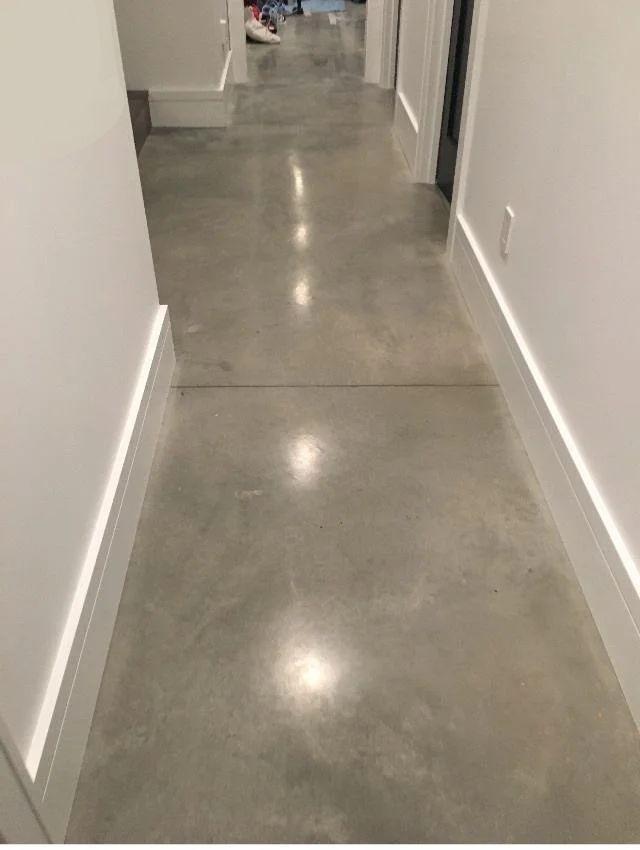
Food processing sanitation requirements extend beyond the floor surface. Wall surfaces, cove bases at floor-to-wall transitions, and drains must all be addressed as part of a complete hygienic flooring system. Open floor-to-wall transitions harbor bacteria and moisture and are a common compliance failure point in food processing inspections.
Duraguard Food Processing Floor Systems
Duraguard installs three primary system types for food processing environments — each selected based on the specific thermal, chemical, and mechanical demands of the facility.
Duraclad 903 Urethane Concrete
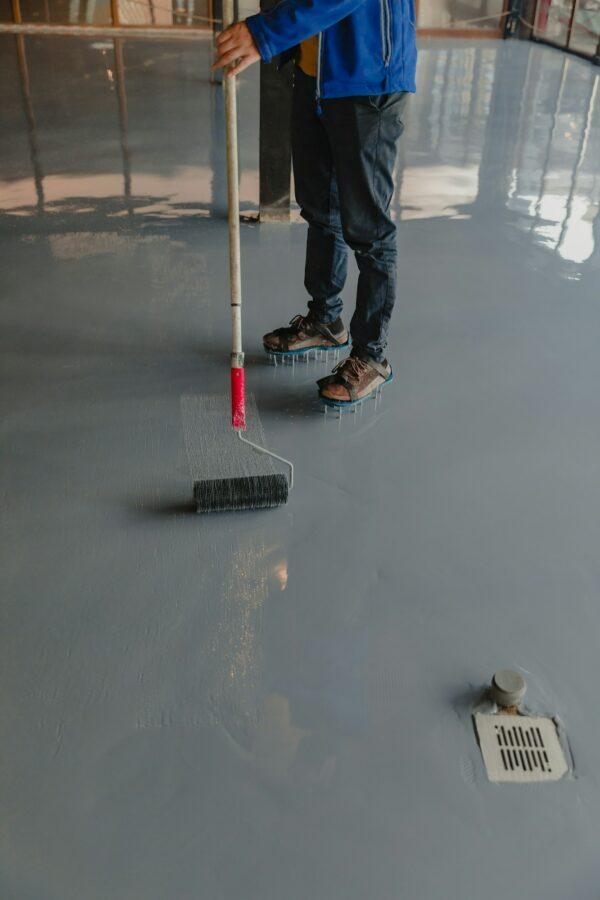
Duraclad 903 is Duraguard’s premium urethane concrete floor coating system and the system of choice for the most demanding food processing environments. Applied at 3/16 to 1/4 inch thickness, Duraclad 903 withstands thermal shock from hot water and steam washdowns at temperatures up to 212°F, resists the full spectrum of organic acids, caustic cleaners, fats, oils, and sanitizers encountered in food processing, and handles the heavy mechanical traffic of industrial food production. Its seamless, monolithic installation creates a non-porous surface that meets USDA and FDA requirements for food contact environments and is ideal for facilities subject to HACCP audits. For meat processing, dairy production, brewery and distillery operations, and any food processing environment with severe thermal and chemical exposure, Duraclad 903 is the correct system specification.
Durathane PA Polyaspartic Floor Coating
For food processing environments requiring fast return to service, Durathane PA polyaspartic coating provides superior chemical resistance, UV stability, and fast cure performance in a single system. Polyaspartic systems cure significantly faster than standard epoxy — minimizing production downtime during installation — while delivering the seamless, hygienic surface that food processing compliance requires. Durathane PA is the right system for food assembly areas, packaging facilities, and food processing environments where fast cure is a priority without sacrificing chemical resistance or surface performance.
Durapoxy Acid Guard Novolac Epoxy
For environments with extreme acid and solvent exposure — fermentation areas, CIP rooms, and facilities handling concentrated organic acids — Durapoxy Acid Guard novolac epoxy provides a level of chemical resistance that standard epoxy systems cannot achieve. Novolac epoxy chemistry creates a denser molecular structure with superior resistance to concentrated acids and aggressive chemicals. Applied at custom thickness to match the chemical exposure demands of the environment, Durapoxy Acid Guard is the chemical barrier system for the most aggressive food processing chemical profiles.
Seamless Hygienic Installation — Floors, Walls, and Cove Base
A truly hygienic food processing floor system is more than just the floor surface. Duraguard installs complete hygienic systems that address every surface and transition point in the facility:
Seamless Floor Systems
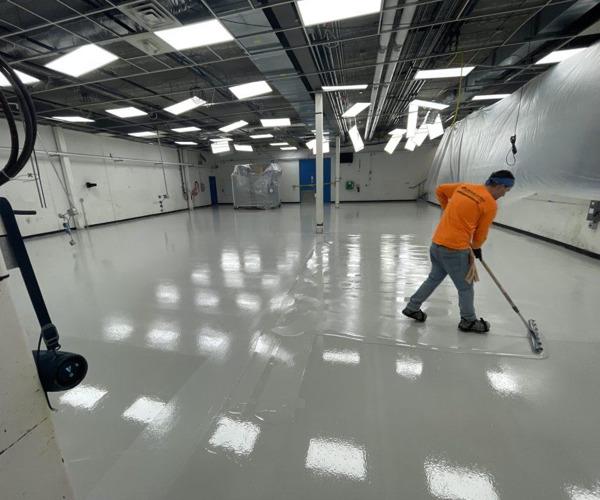
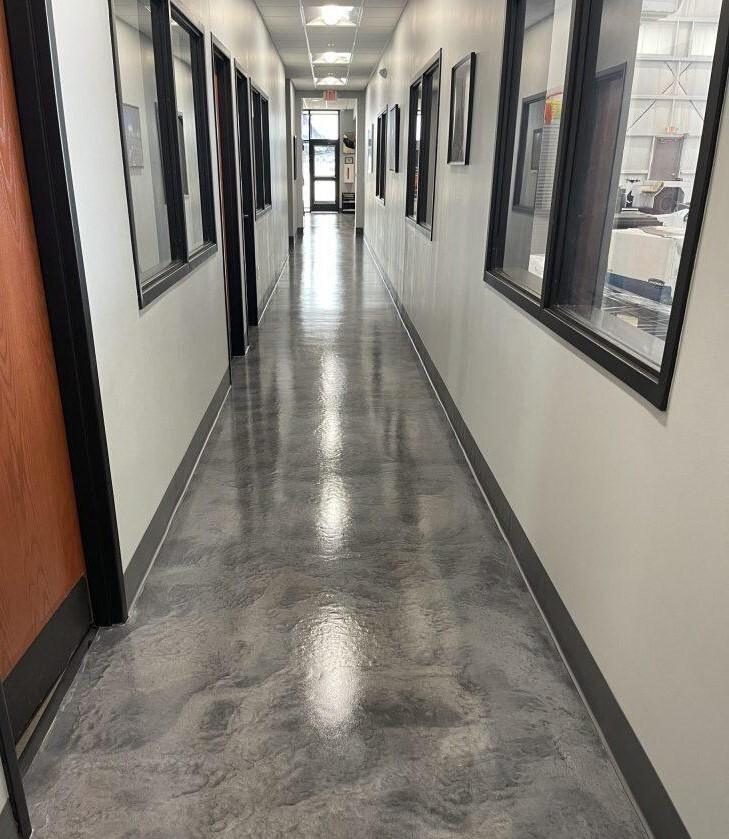
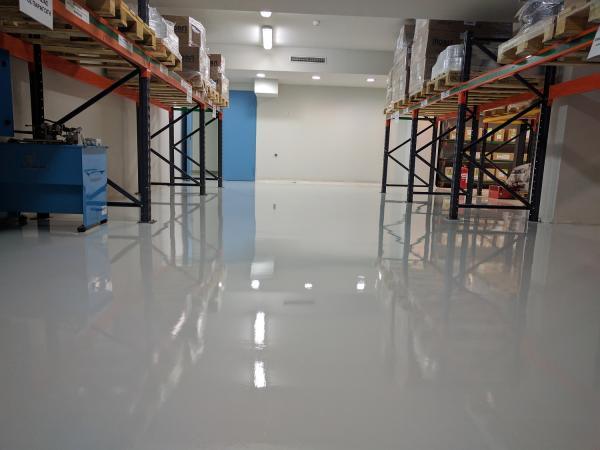
Every Duraguard food processing floor is installed as a seamless, monolithic surface with no joints, grout lines, or seams where bacteria can harbor or moisture can infiltrate. This seamless installation is the foundation of HACCP compliance and USDA/FDA regulatory requirements for food processing flooring.
Cove Base at Wall Transitions
Floor-to-wall transitions are the most common sanitation failure point in food processing facilities. Duraguard installs integral cove base at all wall transitions — creating a seamless, curved transition from floor to wall that eliminates the right-angle joint where bacteria, moisture, and food debris accumulate. Properly installed cove base is a standard requirement for USDA and FDA compliant food processing environments and is included in every Duraguard food processing floor installation.
Wall Coating Systems
Food processing wall surfaces in wash-down areas, production zones, and wet environments require the same chemical and moisture resistance as the floor. Duraguard installs wall coating systems compatible with the floor system — creating a continuous, hygienic surface from floor to wall that meets the sanitation requirements of regulated food processing environments.
USDA, FDA, and HACCP Compliance
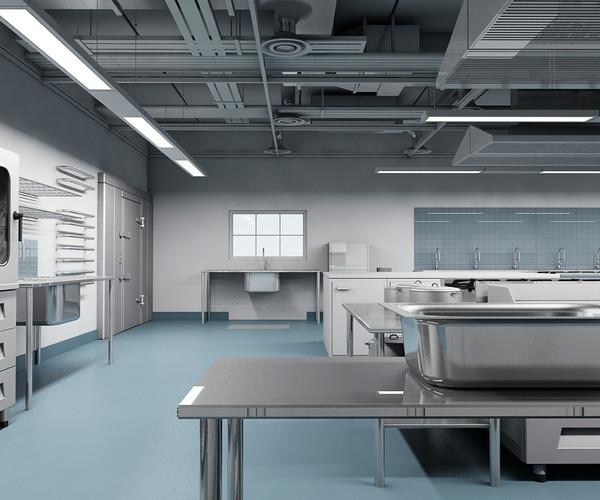
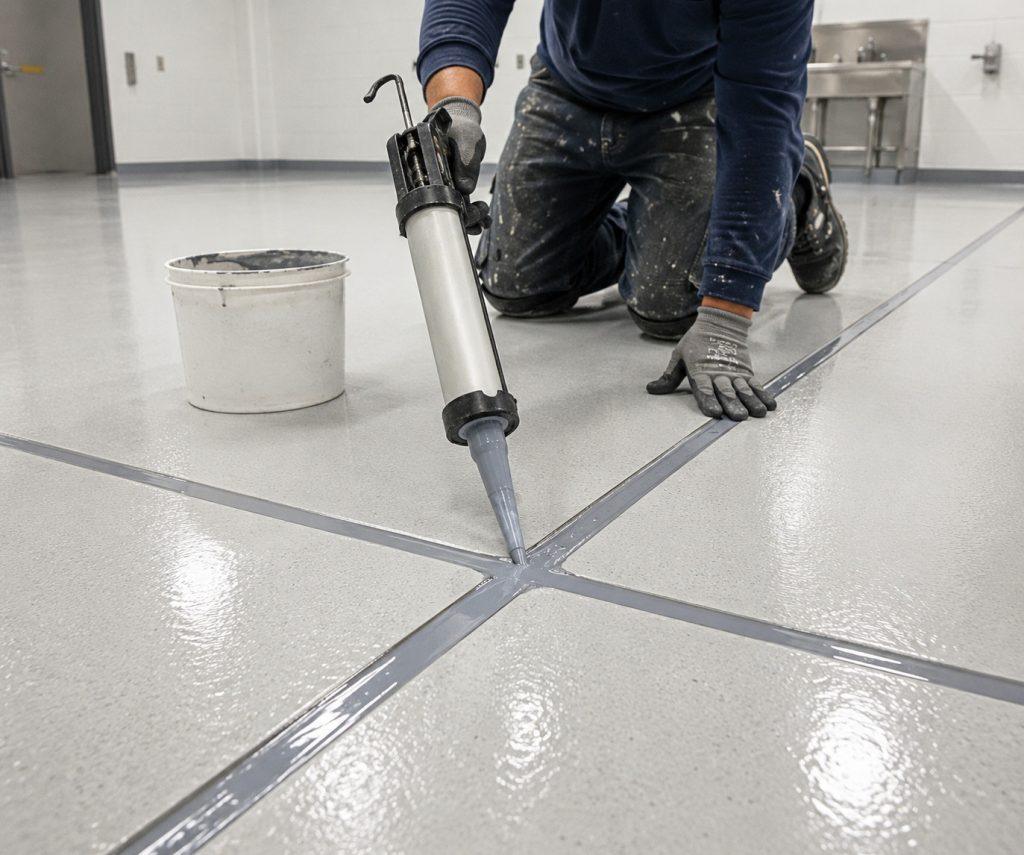
Every Duraguard food processing floor system is installed to meet the regulatory requirements of the specific facility. Duraclad 903 urethane concrete and Durathane PA polyaspartic systems are appropriate for USDA and FDA regulated environments. Our installation process includes thorough surface preparation, proper joint filling with Dura-Joint rapid set polyurea, seamless cove base installation, and the complete elimination of surface defects that create compliance risk.
For facilities subject to HACCP audits, third-party food safety inspections, or health department review, Duraguard’s seamless, non-porous floor systems provide the physical compliance foundation that supports passing inspection outcomes.
Food Processing Industries Duraguard Serves
Meat and Poultry Processing
Meat processing environments combine organic acid exposure from blood and process fluids with thermal shock from hot water washdowns and cold storage cycling. Duraclad 903 urethane concrete is the standard specification for meat and poultry processing floors — engineered specifically for these conditions.
Dairy and Cheese Production
Lactic acid from dairy production is one of the most aggressive organic acids encountered in food processing flooring. Duraguard’s urethane concrete and novolac epoxy systems resist lactic acid exposure that degrades standard epoxy systems within months.
Brewery and Distillery Flooring
Brewery environments combine organic acid exposure from wort, beer, and cleaning chemicals with thermal shock from hot CIP washdowns and cold fermentation areas. Duraclad 903 is proven for brewery and distillery applications where standard epoxy fails within one to two years.
Bakery and Food Manufacturing
Bakery and general food manufacturing environments benefit from Duraguard’s seamless, hygienic floor systems that handle sugar, fat, and flour exposure while maintaining the cleanable surface required for food production compliance.
Frozen Food Processing and Cold Storage
Frozen food processing environments subject floors to continuous freeze-thaw cycling and thermal shock. Duraguard’s urethane concrete and polyaspartic systems handle the thermal movement of cold storage environments without cracking or delaminating.
Food Assembly and Packaging
Food assembly and packaging areas benefit from Duraguard’s fast-cure polyaspartic systems that minimize installation downtime while delivering the seamless, hygienic surface required for food contact environments.
Commercial Kitchens and Institutional Food Service
Hospital kitchens, university dining facilities, hotel kitchens, and large-scale food service operations benefit from the same thermal shock resistance and chemical durability that makes Duraguard’s systems the standard in food processing. Daily steam cleaning, grease exposure, and constant foot traffic are handled without issue.
Related Systems and Products
The following Duraguard products are commonly specified for food processing floor and wall installations:
- Duraclad 903 — Urethane concrete for extreme thermal and chemical environments
- Durathane PA — Fast-cure polyaspartic for minimal downtime installations
- Durapoxy Acid Guard — Novolac epoxy for extreme acid and solvent exposure
- Durapoxy MVR — Moisture vapor remediation for high-moisture slabs
- Durapoxy 520 — Moisture-tolerant primer for damp concrete substrates
- Dura-Joint — Rapid set polyurea joint filler — 30-minute cure
The Duraguard Installation Process
Food processing floor installations require precise planning and execution. Duraguard begins every project with a thorough site assessment — evaluating the existing floor condition, moisture levels, joint conditions, thermal and chemical exposure profile, and regulatory compliance requirements of the facility.
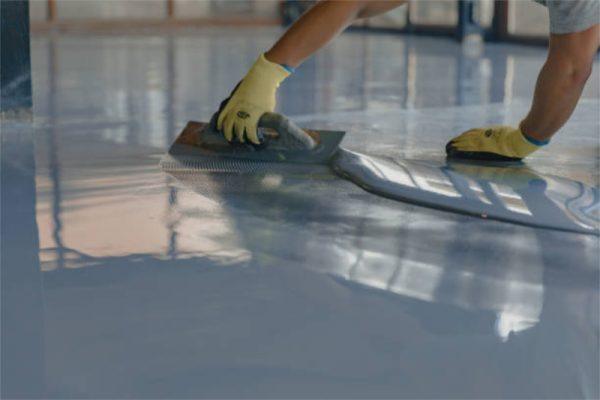
Surface preparation — diamond grinding or shot blasting — removes existing coatings, contamination, and surface laitance before any coating is applied. All joints and cracks are filled with Dura-Joint rapid set polyurea before the floor system is applied. Cove base is installed at all wall transitions as part of the standard installation.
Duraguard works around your production schedule — including nights and weekends — to minimize downtime and disruption to food processing operations during installation.
Service Area
Duraguard installs food processing floor and wall coating systems throughout southeastern Wisconsin and northern Illinois including Racine, Kenosha, Milwaukee, Waukesha, Waukegan, Gurnee, Libertyville, and surrounding areas.
Get a Free Floor Assessment
If your food processing facility needs a new floor system — or if your current floor is failing and creating compliance risk — contact Duraguard today for a free on-site assessment. We will evaluate your floor condition, review your regulatory requirements, and provide a detailed written proposal at no charge.
Call us at (833) 387-2482 or use our contact form to request your free evaluation.
Duraguard Protective Coating Solutions is proud to align with leading industry organizations that set the standard for flooring excellence and business integrity. We follow the guidelines and technical standards established by the International Concrete Repair Institute (ICRI), ensuring every project meets rigorous industry benchmarks. As an accredited member of the Better Business Bureau (BBB), we are committed to transparency, trust, and customer satisfaction. Duraguard is also recognized through Wisconsin Manufacturers & Commerce (WMC), reflecting our dedication to Wisconsin’s manufacturing and business community.